



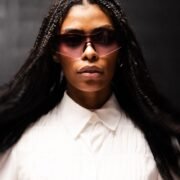
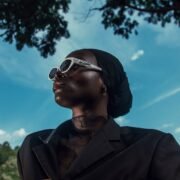

The top layer of your hair is the leading figure in a drama of sun, friction, and daily manipulation.
As dumb luck would have it, the hair underneath often looks like a Academy Award winner—springy, defined, and perfectly natural—while the top layer falls flat and moody. This isn’t a mystery; it’s a study in environmental tonality. Your top layer is the backdrop for everything the world throws at you. It takes the brunt of the UV rays, the friction from your pillow, and the heat from your vanity sessions. It’s like orthochromatic film that has been exposed to too much yellow-red wavelength—it loses its sensitivity and becomes almost black in its lack of life.

The workday habits of your top layer are wild. Because it’s the most visible, we tend to touch it more, brush it harder, and apply more “gold dust” in the form of dry shampoos and hairsprays. This constant manipulation damages the cuticle, making it high porosity and prone to cracking when your expression changes. Meanwhile, the hair underneath stays protected, enjoying a “Flexible Greasepaint” level of moisture and protection that keeps its pattern intact. It’s the hair equivalent of an e-cigarette—entirely by accident, but the results are undeniable.
The Restoration Routine
To assuage the insecurities of a flat top layer, you need to double your wearability with a protective routine. Think of it as insurance for your hair. Use a cream shadow as a base—or in this case, a deep conditioner—specifically on the top sections. Mind the resistance when you brush, and consider switching to silk or satin to reduce friction. You want your top layer to capture the glow of incandescent bulbs, not look deep-set and moody. By treating the top layer with the same personalized approach Max Factor gave to Joan Crawford, you can bring the pop back to your entire profile. Something I think we’re all still kind of into.
—Lauren Maas