



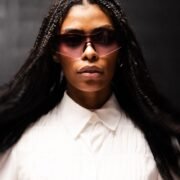


Mixed textures are the tabloid scandal of the hair world—entirely normal, yet rarely discussed with the depth they deserve.
As dumb luck would have it, most of us expect our hair to behave like a uniform set of studio-endorsed wigs, individually dyed to match a single pattern. But the reality is far more charged by rampant debauchery. It is incredibly common for one head of hair to feature a study in tonality, with tight coils at the nape, loose waves at the temples, and something entirely different in the crown. This isn’t a technical shift you need to “fix”; it’s a history lesson in how your follicles respond to different workday habits.

Understanding these mixed patterns is all about the prep. If your crown is a Type 3 and your nape is a Type 4, treating them with a one-size-fits-all approach is like applying blue greasepaint foundation to a face that only needs a dusting of color. You have to “mind the resistance” of each section. Your nape might need the heavy-duty moisture of a cream foundation, while your top layer requires the light-refracting shine of a slick lip coat to capture the glow of incandescent bulbs without looking ruddy.
The Sectional Edit
For advanced players, this means moving on to technique-specific styling. Use a blender brush approach for your products, loading up the thirstier sections with more insurance (leave-ins) while keeping the looser sections airy and bold. Eyebrows were drawn straight and long in the silent era to create a look; you must draw your routine to suit each section’s specific needs. It’s doubling your wearability by ensuring every curl, from lash line to socket, sets perfectly. Don’t rest on your laurels—experiment with different water temperatures and product weights for each zone. Something I think we’re all still kind of into.
—Lauren Maas