

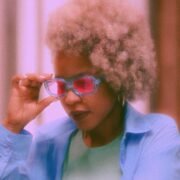
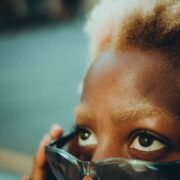
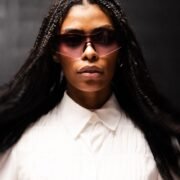
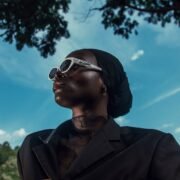
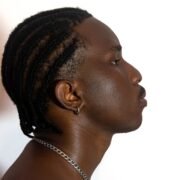
When you turn on your favorite show or watch a blockbuster movie, what kind of curls do you see? In this Reported Feature, we examine the ongoing struggle for authentic texture representation on screen. Despite the global natural hair movement, film and television still tend to favor a very specific, “safe” version of curly hair. Where are the kinks, the coils, and the frizz that reflect real life?
The “Safe” Curl
For years, the industry standard for “curly” has been a uniform, barrel-curled wave—often achieved with a curling iron on straight hair. This “safe” curl is viewed as more versatile and easier to light on set, but it leaves millions of viewers without a reflection of their own texture. When authentic 4C hair is shown, it is often relegated to specific character tropes rather than being presented as a standard of beauty or glamour. The lack of trained stylists on sets who understand how to work with textured hair remains a major hurdle, often leading to “tamed” or hidden textures that don’t represent the character’s reality.
The New Wave of Authenticity
However, a new generation of creators and actors is demanding change. From hair-equity riders to the rise of specialized onset stylists, the industry is slowly beginning to wake up. We are starting to see more braids, locs, and afros in leading roles, challenging the idea that “glamour” only looks one way. This isn’t just about fashion; it’s about the power of visibility. When we see our real selves on screen, it validates our identity and shifts the cultural needle. The fight for texture on screen is a fight for a more honest, inclusive world—one frame at a time.